The Reedy River
1700-1860
Tribal Lands of the Cherokee
What is now known as the Reedy River and in fact most of Greenville county was hunting land used by the Cherokee Indians, whose main villages were located in what is now Oconee County. The Cherokees are part of the Iroquoian Nation, had their summer hunting camps along the banks of the river. European settlers were forbidden to live here as it was considered sacred ground, until 1777 when the Cherokee were forced to cede their lands to the new state. This was mainly due to underhanded dealings with a man named Richard Pearis, who forged deeds and stole lands in the Greenville area. He was eventually caught and forcd to give the deed back to the Cherokee. Then the British sympathizer amended his ways by having a child with a Cherokee woman, putting the deeding it to his Indian son George, most of which little George then conveniently transferred to his father. Richard Paris was also married to Rhoda who waited for him back in Winchester Virginia.
His good Greenville fourtune didn’t last long. He was on the wrong side of the war and when it was over his lands were taken, but not given back to the Cherokee. The damage had already been done and the settlers were on their way.
Following Pearis, Lemuel Alston built a small tub mill on the site of Pearis' mill. In 1815, Vardry McBee bought more than 11,000 acres from Alston, including most of present-day Greenville, and built two flour mills – one in 1817 and one in 1829. McBee was a philanthropist and gave the land for the town's first schools, colleges and churches.
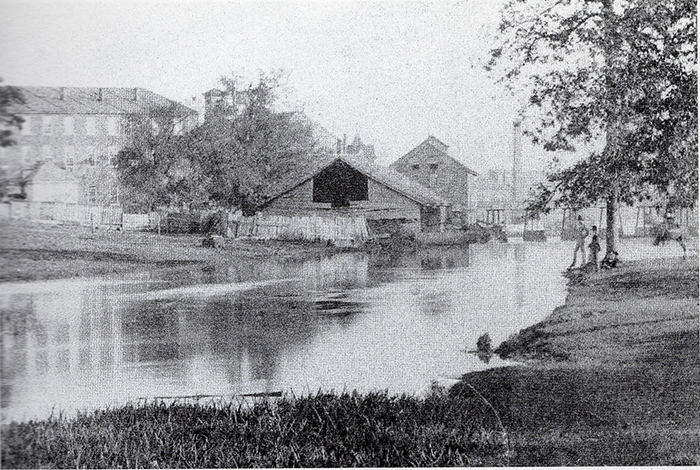
(Special Collections, South Caroliniana library, USC, Columbia)
As seen in the picture above factories, warehouses and mills crowded the reedy river by the late 1860’s. at the left of this 1890’s view is the site where the peace center for the performing arts would eventully stand a century later. Interestingly, no resorts or hotels were located on this scenic part of the river.
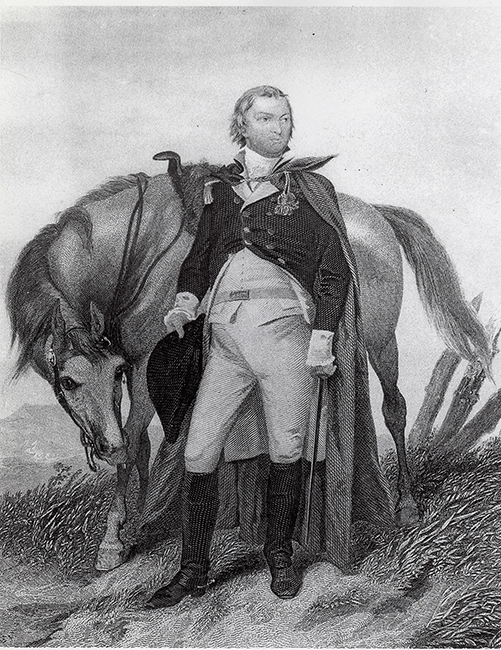
Nathanael Greene (courtesy of the Special Collections, South Caroliniana library, USC, Columbia)
Territories were routinely named for the heroes who served the united states of America during the revolutionary way. State legislative acts and archival records indicate the Greenville, originally spelled Greeneville was probably named to honor general Nathanael Greene, who sacrificed a personal fortune to keep his southern militias from starving while they battled the British.
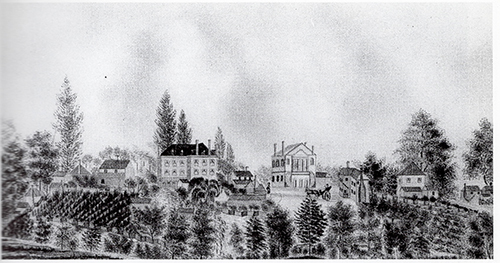
River Life
On the Pleasantburg plat, Lemuel J. Alston named two streets, Main, or “the street” and Mcbee Avenue, or “the avenue”. In all Alston offered 52 lots for sale. Isaac Wickliffe made the first purchase, and vardry McBee Purchased the remainder. In this 1825 painting by Dr. Joshua Tucker, the two story Mansion House (left) and the Record Building (semi-circular stairs) dominate main st. Village life centered around court sessions held twice a year.
The Stones and Earles
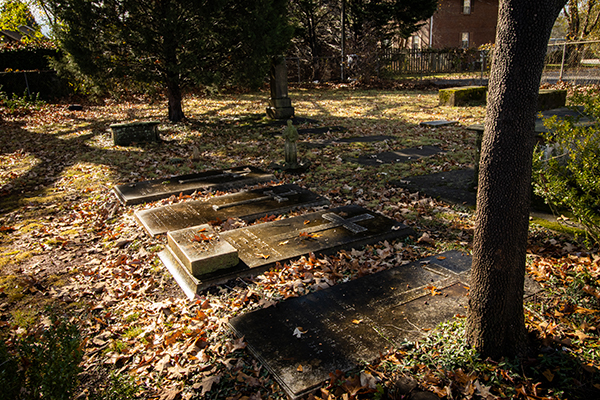
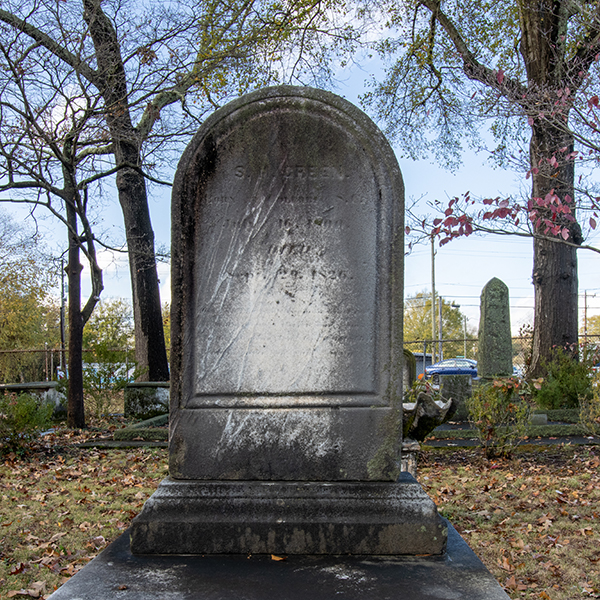
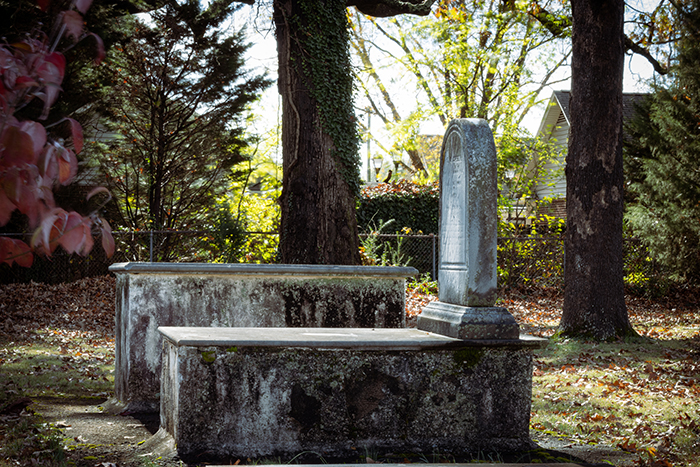
I know these facts, Elias was a Representative from South Carolina; was one of the earliest ironmasters of the South, member of South Carolina house of representatives. He owned a lot of land. He married, and had children. At some point the founding families of the Stones and the Earles intermingled. This is evidenced by their shared family graveyard. A true hidden pocket of Greenville.